

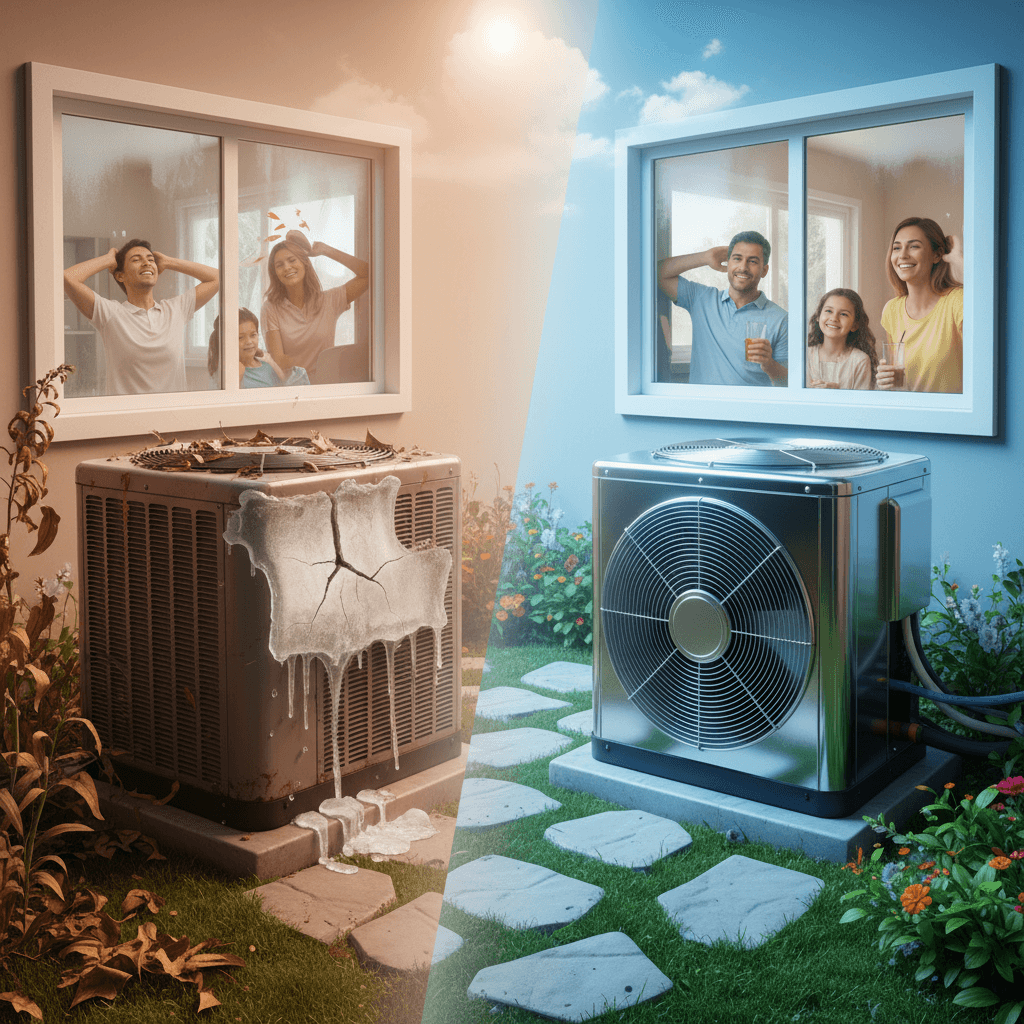
Regular care for your air conditioning system is not optional if you want reliable cooling and controllable bills. A seasonal check up done at predictable times during the year prevents small problems from turning into major failures. Homeowners who skip maintenance often notice weaker cooling, higher energy use, and surprise breakdowns during peak heat.
This article explains why seasonal AC maintenance matters in plain language. You will find realistic cost comparisons, signs that your system needs attention, step by step items technicians inspect, and simple checks you can perform between professional visits. The goal is a practical guide that helps you schedule the right service at the right time so your system runs longer and costs less to operate.
Why Seasonal AC Maintenance Matters for System Performance
A cooling system that receives regular seasonal care runs closer to original factory performance. When coils are clean, refrigerant is at the correct level, and fans move air as designed, the system keeps indoor temperature steady without short cycling. Short cycling is when the compressor switches on and off too often. That pattern raises wear and energy use and reduces comfort.
Manufacturers generally build equipment to last 10 to 15 years with routine attention. Skipping maintenance shortens that life. For example a neglected condenser coil or clogged filter increases compressor workload and can shave several years off expected service life. Regular maintenance helps preserve capacity and reduces the odds of early replacement.
Energy Savings and Lower Operating Costs with Seasonal Tune Ups
Small improvements in efficiency yield measurable savings over a cooling season. A clean, well calibrated system can use 5 to 15 percent less electricity than the same unit running with restricted airflow or dirty coils. That difference shows up on monthly utility statements especially during long hot stretches.
Compare likely expenses to see the value of scheduled service. A professional seasonal visit often costs a fraction of what a major repair or emergency replacement would cost. For instance a single compressor replacement can run several hundred to a few thousand dollars depending on model and labor. Payment for routine care is typically one tenth or less of that figure while reducing chances of needing a large repair.
Common Problems Found During Routine Checks and How They Affect You
Technicians spot repeat issues during inspections that are easy to fix early on. Each problem can degrade comfort and raise operating cost.
Airflow restrictions
Clogged filters, blocked vents, and dirty coils cut airflow. Reduced airflow forces the system to run longer to meet set temperatures. The result is higher energy use, uneven temperatures, and greater component wear.
Refrigerant and leak issues
Low refrigerant levels usually indicate a leak. A system with the wrong charge struggles to remove heat and will run longer than necessary. Repairing leaks and restoring proper refrigerant quantity restores cooling capacity and prevents damage to the compressor.
Indoor Air Quality and Comfort Benefits from Seasonal Care
Maintenance improves indoor air quality in several ways. Replacing filters on schedule removes dust and particles before they circulate. Cleaning coils and drip pans reduces mold and bacterial growth that can cause odors and aggravate allergies. Proper drainage prevents water stains and musty smells.
Comfort is not just about temperature. Humidity control matters too. A well tuned air conditioner removes moisture efficiently which helps indoor spaces feel cooler while reducing strain on the system. That effect can make setpoints a degree or two higher while delivering the same level of comfort which lowers energy use.
What a Professional Checks During a Seasonal Visit
A technician follows a checklist that covers mechanical, electrical, and refrigerant items. Knowing what is included helps you compare services and pick a provider that does a thorough job.
- Visual inspection of indoor and outdoor units to check for corrosion, visible leaks, or physical damage
- Air filter replacement or cleaning depending on filter type
- Coil cleaning for both evaporator and condenser to restore heat transfer
- Electrical checks including contactors, capacitors, and wiring to spot loosened connections or worn components
- Refrigerant level check and testing for leaks if levels are low
- Fan and blower inspection with lubrication where applicable
- Thermostat calibration to confirm the system cycles at the right setpoints
- Drain line and pan cleaning to prevent blockages and overflow
Why each item matters
Leaky electrical connections can cause starting failures and sudden shutdowns. Dirty coils lower efficiency. A clogged drain line can create water damage and promote mold. Together these checks reduce emergency calls and unexpected expense.
DIY Checks You Can Do Before and Between Professional Visits
Regular homeowner checks support what professionals do and can delay minor problems. Here are practical items to add to your seasonal routine.
- Replace or clean filters every 1 to 3 months depending on usage and filter type
- Keep the outdoor unit clear of leaves, grass, and debris with at least a two foot clearance around it
- Inspect visible ductwork for obvious gaps or disconnected joints in accessible areas
- Note any odd noises during startup or running and record when they occur to share with the technician
- Check thermostat batteries and settings so the system runs only when needed
Documenting these basic checks helps the service technician diagnose issues faster and can reduce labor time during a visit.
When to Schedule Seasonal Service and How to Choose a Technician
Timing matters. Schedule service before the high use period in your area. In warm climates that means a spring inspection. In regions with both heating and cooling seasons consider a transitional check each spring and fall when systems switch modes.
Choose a provider who offers a clear list of services included in the visit and who will provide a written report. Look for licensed local contractors who carry insurance and who can explain findings in straightforward terms. Read recent reviews to see how a company handles follow up and warranty work.
For homeowners who prefer a professional visit over DIY or want a reliable vendor in the Austin area consider booking a seasonal visit with trained technicians who specialize in residential cooling systems. A regular seasonal AC tune up reduces the risk of surprise breakdowns and helps keep operating costs down.
Cost Considerations and Return on Investment
Routine service is an investment in predictable performance. Annual or twice yearly care typically costs far less than emergency repairs and can extend equipment life by several years. A few simple math examples help clarify value.
- If a seasonal visit costs between 75 and 200 dollars and it prevents a 600 dollar compressor repair during its expected life span that service paid for itself several times over
- If efficiency improvements from care reduce annual cooling bills by 5 percent on a 900 dollar cooling season that yields 45 dollars saved each year
- Extending system life by three years postpones replacement costs which can be several thousand dollars for new equipment and installation
These numbers vary with system size and local rates but the pattern is clear. Regular attention reduces risk and puts you in control of timing and cost for any major work.
Seasonal care also helps budgeting. When you schedule inspections at the same time each year you are less likely to be surprised by repairs and can plan for replacements when they are needed rather than reacting during an emergency.
In summary regular seasonal maintenance is one of the most impactful actions a homeowner can take to protect cooling performance and control costs. A short professional visit checks critical components and captures issues while they are small. Simple homeowner checks between visits keep the system breathing freely and running closer to design performance. If you have not scheduled a check for this season consider doing so now to avoid higher energy use and the risk of a failure when you need cooling most. Call a licensed local technician if you observe strange noises, weak airflow, or marked changes in energy use. Taking action today helps your system run longer and keeps your family comfortable during the warm months.


